
AI’s New Operating Model: Restructuring, Shopping, Safety, and Voice
A look at how companies are applying AI right now: cost-cutting and modernization at PayPal and Coinbase, conversational shopping at Etsy, age checks at Meta, voice growth at ElevenLabs, and more.
AI strategy is showing up in very different ways across the tech industry: as a restructuring tool, a product surface, a safety system, an enterprise interface, and a cloud business pivot. Taken together, these updates show less of a single “AI moment” and more of an operating model that companies are applying to commerce, platforms, infrastructure, and hiring plans.

AI as a restructuring and efficiency lever
PayPal says it is “becoming a technology company again,” framing AI as a central part of that turnaround. According to TechCrunch, the company is tying automation and restructuring to $1.5 billion in savings while cutting jobs and working to modernize its tech stack.
Coinbase is following a related pattern. Its reported 14% staff reduction is part of a broader restructuring aimed at handling market volatility while increasing the use of AI tools to improve efficiency.
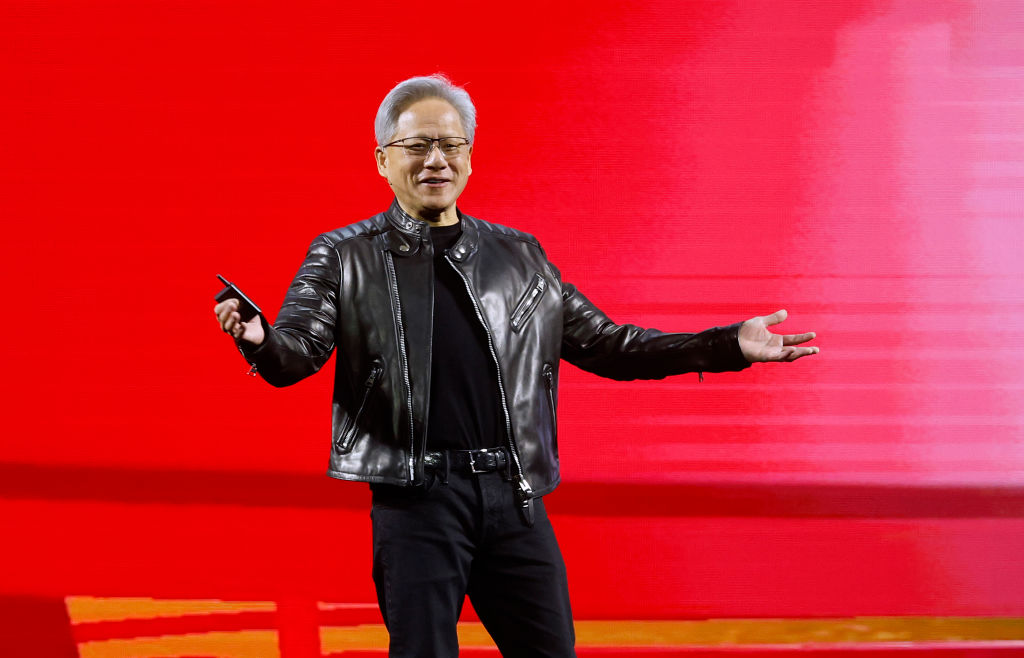
These moves sit alongside a broader debate about employment and AI. Nvidia CEO Jensen Huang argued that worries about AI as a job-killer are overstated, saying the technology is creating “an enormous number of jobs.” Even so, the corporate examples here show that, at least in the near term, AI is also being used to justify cost savings, automation, and organizational change.
Across these examples, AI is not only a product story. It is also a management story about efficiency, modernization, and headcount decisions.
AI becomes the interface for commerce

Etsy’s launch of a native app within ChatGPT points to another major direction: conversational shopping. The company’s stated goal is to offer users a shopping experience inside ChatGPT itself.
That matters because it shifts discovery from traditional browsing and search into dialogue. Rather than simply optimizing a storefront or recommendation feed, Etsy is meeting shoppers inside an AI interface where intent can be expressed conversationally.
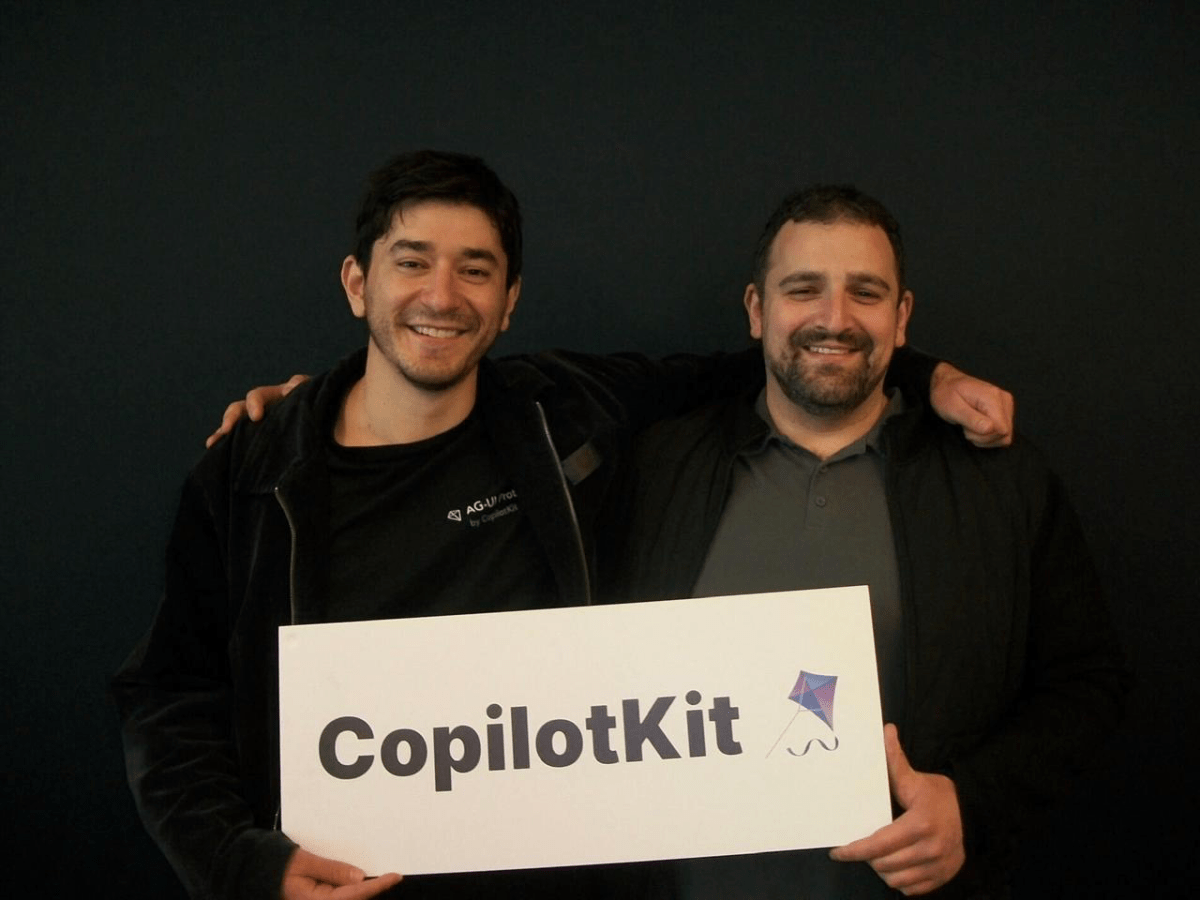
On the tooling side, CopilotKit’s $27 million Series A suggests investor confidence in app-native AI agents more broadly. TechCrunch reports the Seattle-based startup’s round was led by Glilot Capital, NFX, and SignalFire. While the brief report centers on financing, the core thesis is clear: developers want ways to deploy AI agents directly into their own applications.
What this suggests
- AI is increasingly becoming a front-end experience, not just a back-end capability.
- Commerce platforms are experimenting with conversational interfaces as a discovery layer.
- Developer tooling companies are positioning themselves to help businesses build those native AI experiences faster.
AI for trust and platform safety

Meta’s latest AI deployment shows a different use case entirely: age detection and safety enforcement. TechCrunch reports that Meta will use AI to analyze height and bone structure to identify whether users may be underage. The visual analysis system is already operating in select countries, with the company working toward a broader rollout.
This is notable because it expands AI use beyond recommendation engines and generative features into biometric-style platform governance. The report does not provide wider detail beyond the rollout status and the nature of the visual analysis, but even at that level it highlights how AI systems are being positioned as an enforcement mechanism for age-related protections.
Voice AI keeps building enterprise momentum

ElevenLabs disclosed new investors including BlackRock, Jamie Foxx, and Eva Longoria, while also reporting $500 million in ARR and an expanding enterprise footprint, according to TechCrunch.
The short takeaway from that update is that voice AI is moving deeper into mainstream business adoption. If conversational text interfaces are one major front in AI, voice appears to be another, especially as companies look for more natural interfaces between software and users.
The reality check for building AI infrastructure

Not every AI story is about rapid feature expansion. In India, Krutrim — described by TechCrunch as the country’s first GenAI unicorn — is shifting toward cloud services after layoffs and limited product updates. The report frames the move as a reflection of the economic challenges involved in building AI models in India.
That makes this one of the clearest reminders in the set: model ambition alone is not enough. Economics, infrastructure costs, and market fit still shape what kind of AI company can be built sustainably.
A snapshot of where AI is heading
These stories collectively suggest a few near-term patterns:
- Enterprises are using AI to justify restructuring, modernization, and efficiency drives.
- Consumer platforms are embedding AI into the user journey, especially in shopping and discovery.
- Platforms are applying AI to safety and compliance, not just personalization.
- Investors still see upside in AI interfaces and developer tooling, including voice and app-native agents.
- Building foundational AI businesses remains expensive and difficult, pushing some companies toward adjacent models like cloud services.
In other words, AI is no longer one story. It is several stories happening at once: a cost story, a product story, a safety story, an interface story, and an infrastructure story.
References & Credits
- PayPal says it’s ‘becoming a technology company again.’ That means AI. — TechCrunch
- Etsy launches its app within ChatGPT as it continues its AI push — TechCrunch
- Meta will use AI to analyze height and bone structure to identify if users are underage — TechCrunch
- ElevenLabs lists BlackRock, Jamie Foxx and Eva Longoria as new investors — TechCrunch
- CopilotKit raises $27M to help devs deploy app-native AI agents — TechCrunch
- India’s first GenAI unicorn shifts to cloud services as AI model ambitions face reality — TechCrunch
- Coinbase to lay off 14% of staff as part of broader restructuring — TechCrunch
- As workers worry about AI, Nvidia’s Jensen Huang says AI is ‘creating an enormous number of jobs’ — TechCrunch