
AI’s expanding footprint: code, customer support, voice tools, healthcare, and the grid
From Airbnb’s AI-written code to healthcare back-office automation and strain on the U.S. power grid, AI’s reach is widening across software, operations, and infrastructure.
AI’s latest wave is showing up in very different places at once: inside software teams, customer support desks, healthcare administration, developer APIs, and even the physical infrastructure that powers data centers.
Taken together, these developments suggest a broader pattern: AI is no longer just a product category. It is increasingly becoming part of how companies build software, run operations, and plan for scale.
AI is becoming part of everyday company operations
One of the clearest examples comes from Airbnb, which said AI now writes 60% of its new code. The company also said its customer support AI bot handles 40% of issues without escalating to a human agent.
Those figures point to AI being used not just as an experiment, but as a meaningful contributor to both engineering output and frontline service workflows.

Automation is also moving into overloaded administrative work
In healthcare, the pressure looks different. Reporting on Basata framed the problem around specialist offices and back-office operations, noting that AI tools are being applied to work that humans currently do.
For now, the founders say the administrative staff they work with aren't worried about that; they're more worried about drowning.
That quote captures the near-term case for automation in this segment: relief for overwhelmed staff. But the same report also noted the harder longer-term question of where augmentation ends and displacement begins.

Platform providers are broadening what AI can do
OpenAI also introduced new voice intelligence features in its API. According to the report, the capabilities could be useful for customer service systems, while also applying to areas such as education and creator platforms.
That matters because it lowers the barrier for companies that want to add voice-based AI experiences to existing products and workflows.
Separately, Perplexity made its Personal Computer available to everyone on Mac, bringing AI agents to the desktop for a broader user base. That release reflects another direction in the market: putting AI agents directly into personal computing environments rather than limiting them to chat interfaces.
As AI grows, so do safety and governance questions
Operational expansion is happening alongside safety work. OpenAI introduced a new “Trusted Contact” safeguard for cases of possible self-harm, expanding its efforts to protect ChatGPT users when conversations may turn to self-harm.
Even from this brief update, the implication is clear: as AI systems become more widely used, product safeguards are increasingly part of the story, not an afterthought.
The infrastructure challenge may be the biggest one
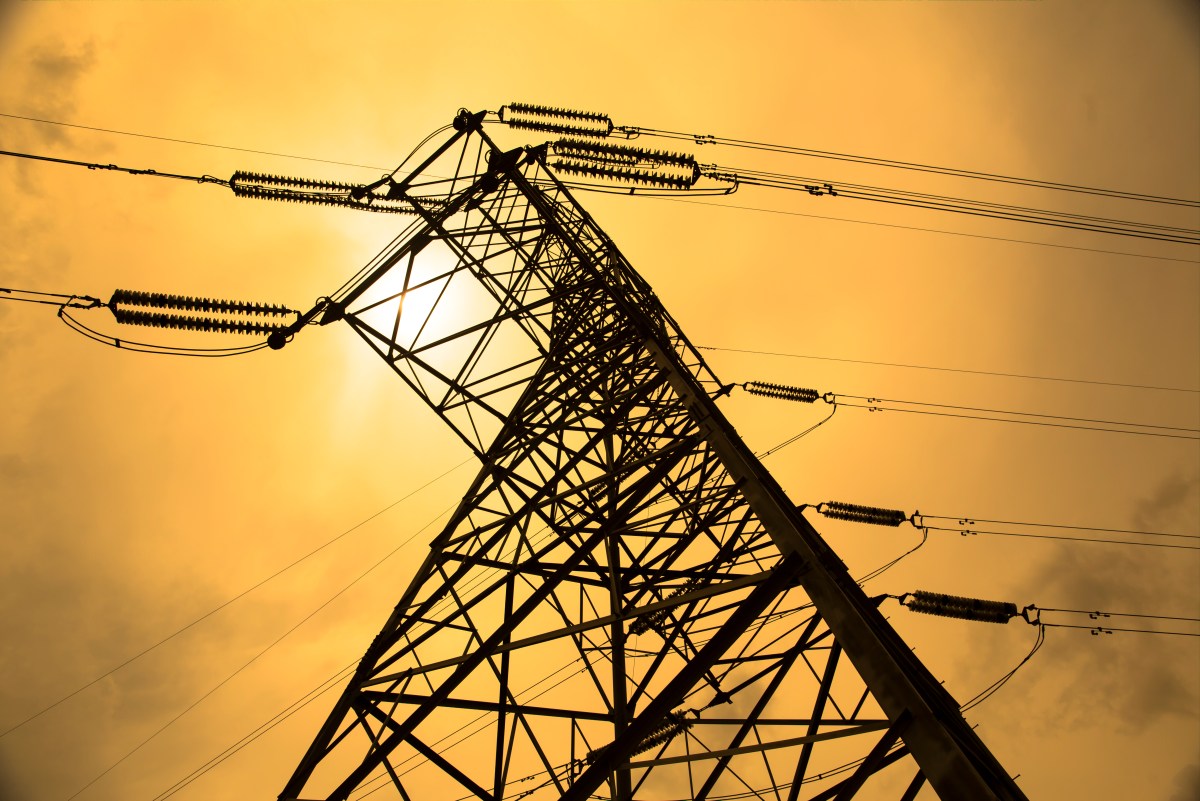
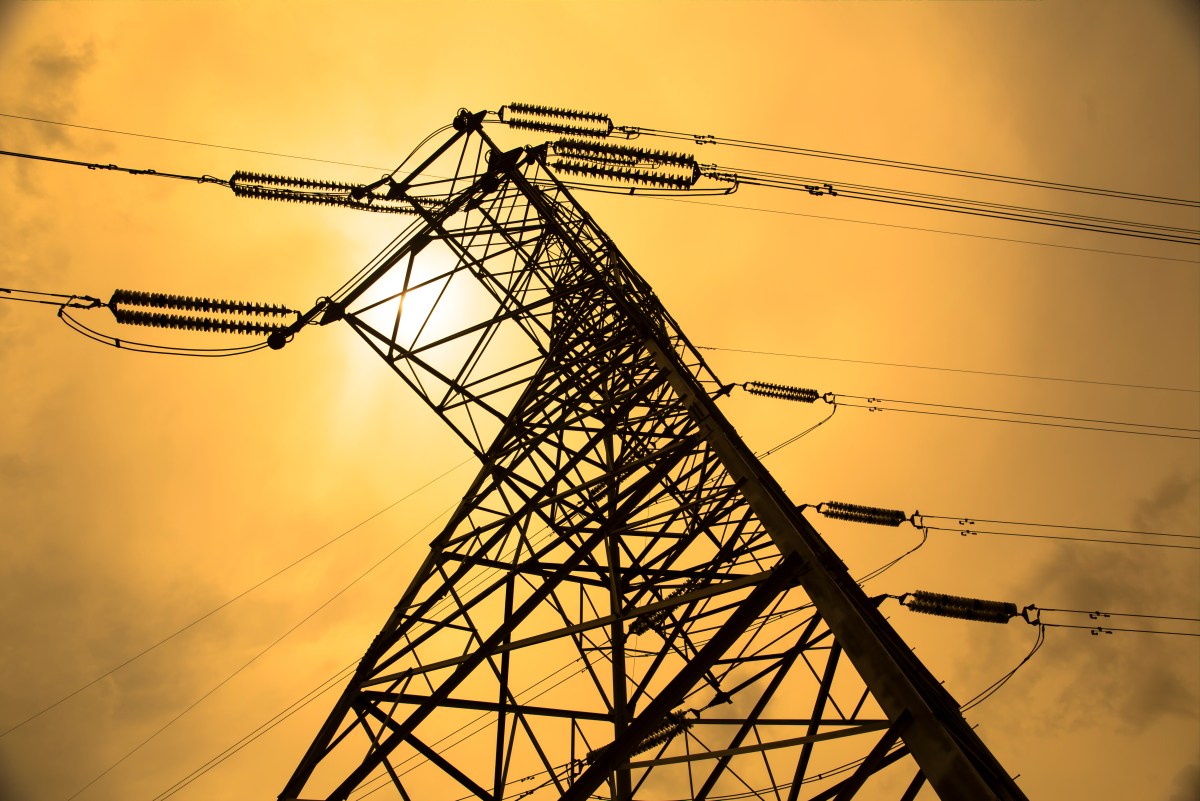
Perhaps the most consequential development is beneath all of these applications: electricity demand. TechCrunch reported that PJM Interconnection, which oversees the grid for some of the densest data center developments on Earth, wants to overhaul itself, but not everyone thinks it is up to the task.
That makes the AI boom more than a software story. As usage rises and data center development clusters around key regions, the pressure extends to the power grid itself.
- AI is increasing software and service automation inside companies.
- It is moving into overstretched administrative environments like healthcare back offices.
- API and desktop tools are making advanced AI features easier to deploy.
- Safety mechanisms are evolving as adoption broadens.
- Underlying all of it is a real-world infrastructure constraint: power.
Why these stories fit together
Each of these reports covers a different slice of the AI market, but they connect around one theme: adoption is shifting from isolated demos to embedded systems that affect labor, product design, and infrastructure planning.
In some settings, that looks like faster code generation or automated support. In others, it looks like relief for overburdened office staff. And at the largest scale, it looks like pressure on the electrical systems that make AI compute possible in the first place.
References & Credits
- The biggest U.S. power grid is under strain from AI — and no one is happy
- Airbnb says AI now writes 60% of its new code
- Why you can never get your doctor to call you back
- OpenAI launches new voice intelligence features in its API
- OpenAI introduces new ‘Trusted Contact’ safeguard for cases of possible self-harm
- Perplexity’s Personal Computer is now available to everyone on Mac