
AI Agents Move From Hype to Product Reality Across the Enterprise and Developer Tools
A snapshot of this week’s AI-agent news: enterprise adoption with governance, browser and editor-based coding agents, CLI reinvention, and startup pressure from big tech.
AI agents are showing up in more places at once: inside enterprise workflows, in the browser, in code editors, and even in rethought command-line tools. Across this set of reports from The New Stack, the common theme is not abstract promise but practical deployment questions: governance, validation, interfaces, and competition.
Enterprise adoption is happening, but carefully
One report centers on comments from Datadog and T-Mobile leaders, who described AI agents as gaining traction for specific enterprise functions when paired with careful governance and validation. Even from the limited source text available, the framing is clear: production use is not being described as open-ended autonomy, but as targeted deployment with controls.
With careful governance and validation, AI agents are increasingly gaining adoption for specific enterprise functions.
That emphasis matters because it contrasts with the broader AI narrative, which often focuses on sweeping disruption. In enterprise settings, the reported reality is more measured: adoption is tied to oversight.
Coding agents are expanding across interfaces
Several of the source articles point to the same direction in developer tooling: AI coding systems are moving beyond chat boxes and into environments where developers already work.
In the browser
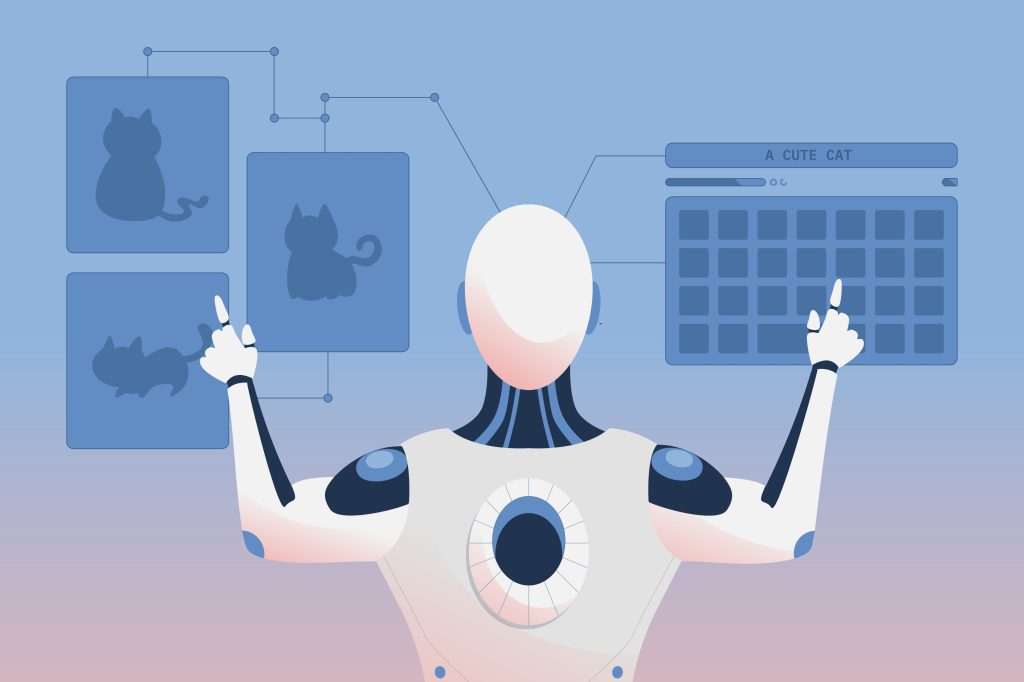
OpenAI Codex arriving through a Chrome extension reflects a push toward agents that can use computers more like humans do. The source describes AI companies as intent on building coding agents that can interact with interfaces by clicking, scrolling, and navigating pages.

This suggests the browser is becoming another major surface for agentic coding workflows, especially where web apps, documentation, and cloud consoles are already central to development work.
Inside the editor
Cursor’s new SDK represents another layer of the same trend. According to the source, the company released a dedicated SDK that lets developers build agents using the same runtime behind its editor experience. At the same time, the article title stresses that developers are responding with caution because of “several known limitations.”
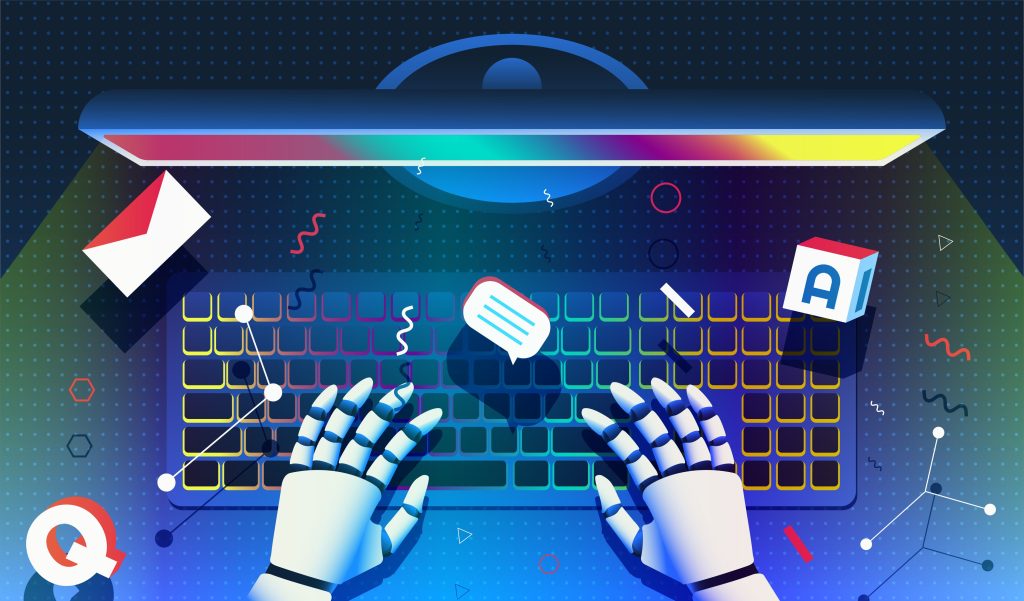
Taken together, that positions the SDK as promising infrastructure that is still maturing. The opportunity is clear, but so is the sense that the tooling remains in motion.
Back to the terminal
Amp’s work on its CLI adds a third interface perspective. Its argument, summarized in the article title, is straightforward: the terminal still matters, even in an agentic future. The source says AI coding companies broadly agree that autonomous agents are becoming central to software development, while debating how those systems should operate.
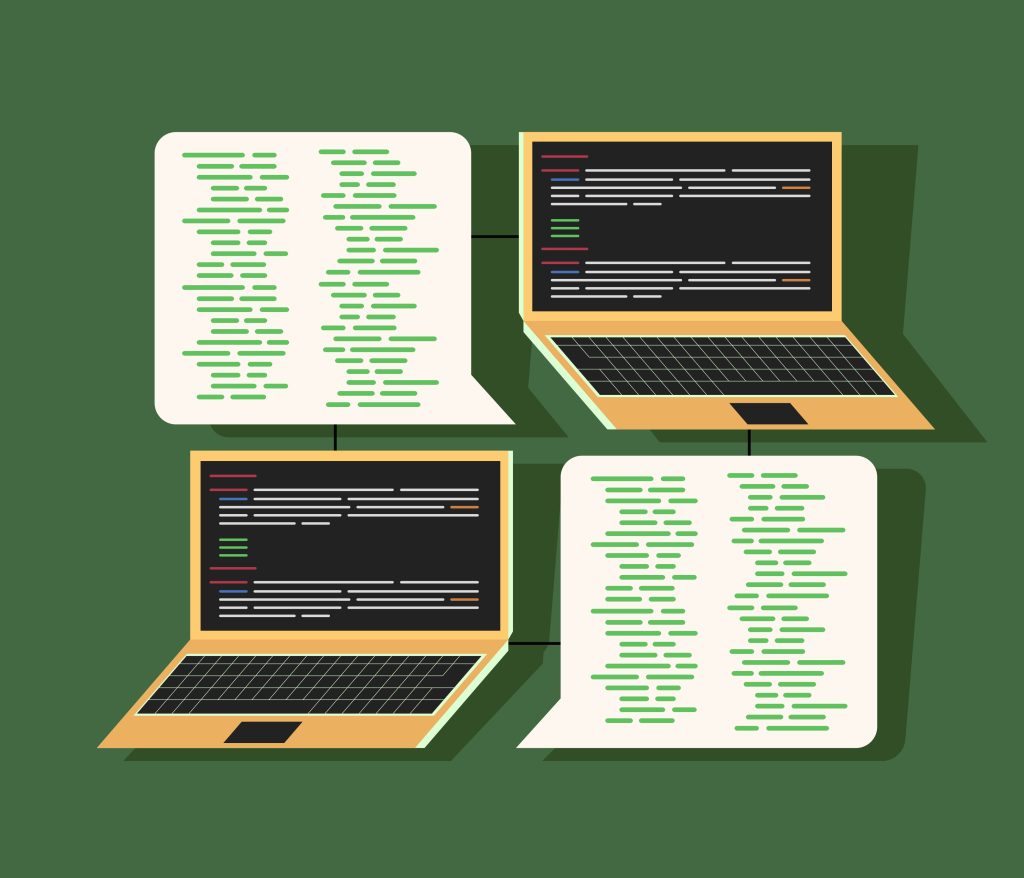
That makes the CLI story notable not because it rejects agents, but because it suggests familiar developer interfaces are being adapted rather than discarded.
The market backdrop: pressure from incumbents and weekly AI drama
Outside the tooling itself, the market context remains intense. One article reports that AI startups at the AI Agent Conference in New York were scrambling to carve out a place under the shadow of big tech. Even from the short source text, the message is unmistakable: startup differentiation is getting harder as larger players push deeper into the same space.

Another source frames the week through high-profile AI industry maneuvering involving Anthropic, Elon Musk, and Sam Altman. The available content identifies it as a roundup of major AI developments, reinforcing the sense that product releases and competitive positioning are unfolding simultaneously.

What ties these stories together
- Enterprise adoption is being discussed in terms of governance and validation, not unchecked autonomy.
- Developer-facing agents are spreading across multiple interfaces: browser, editor, and terminal.
- Tooling momentum is strong, but limitations and open design questions remain visible.
- Startups are innovating in a market increasingly shaped by larger platforms and louder competitive dynamics.
If there is one takeaway from this cluster of stories, it is that AI agents are no longer a single category. They are becoming a stack of products, runtimes, and interfaces—each with different constraints, users, and expectations.
References & Credits
- Datadog and T-Mobile leaders reveal the reality of deploying AI agents in production — The New Stack
- OpenAI Codex arrives in the browser with new Chrome extension — The New Stack
- “Several known limitations”: Developers react to Cursor’s promising but still-moving SDK — The New Stack
- “The terminal still matters”: Amp rebuilds its CLI for an agentic future beyond the command line — The New Stack
- AI startups are scrambling to survive in big tech’s shadow — The New Stack
- How Anthropic and Elon Musk cornered Sam Altman this week — The New Stack