
AI coding agents go mobile, cloud-first, and more segmented on pricing
OpenAI, Anthropic, GitLab, and Conductor highlight a fast-moving shift in AI developer tooling: from mobile access and remote agents to new economic and billing models.
Several recent updates across the AI developer tooling landscape point to the same broad direction: coding assistants are expanding beyond the desktop, moving into the cloud, and forcing new thinking around product strategy and pricing.
Based on the source articles, the latest developments center on four themes: OpenAI bringing Codex to the ChatGPT mobile app, Conductor joining the move toward remote coding agents, GitLab framing its AI strategy through Jevons paradox, and Anthropic separating Agent SDK usage into distinct credit pools.
Codex arrives in the ChatGPT mobile app
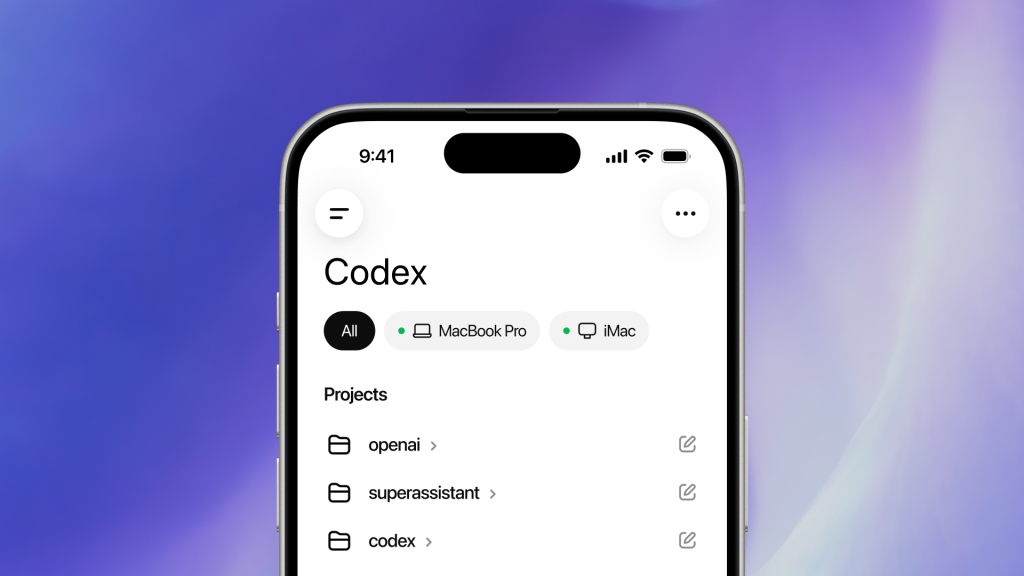
OpenAI announced that it is bringing Codex to the ChatGPT app on iOS and Android. The source article notes that Codex had previously been available elsewhere, and this move extends access to mobile devices.
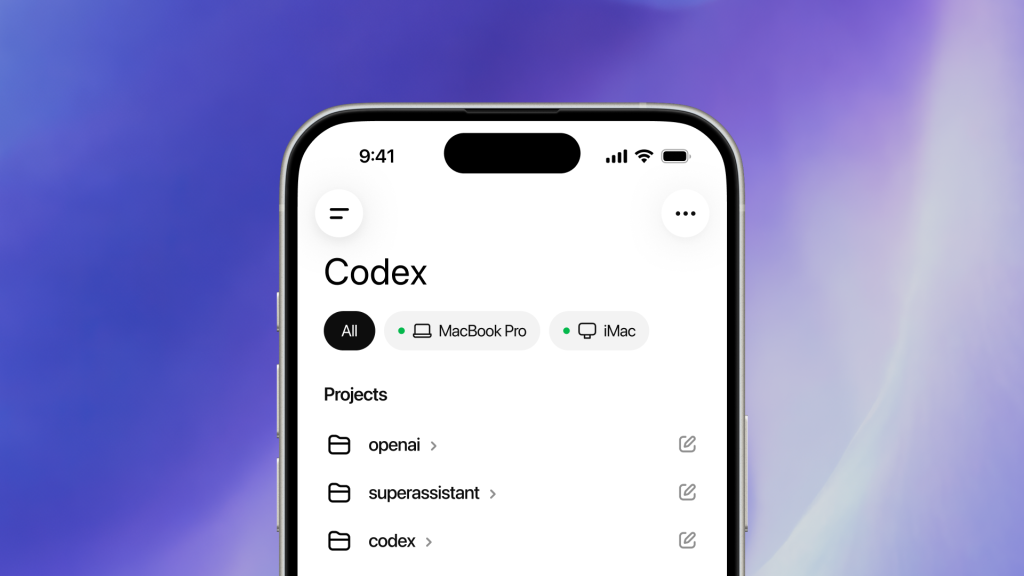
This expansion suggests a continued effort to make AI coding tools available in more contexts, not just on traditional desktop workflows.
Remote coding agents gain momentum
Another source article describes how AI coding agents are starting to leave the laptop behind. It says that tools which began inside terminals and IDEs are now part of a broader push toward remote coding agents, with Conductor joining that trend.

Even from the limited source material, the trajectory is clear: AI coding assistance is increasingly being positioned as infrastructure that can run away from the local machine.
AI coding agents are starting to leave the laptop behind.
GitLab's AI era framing: Jevons paradox
GitLab's latest positioning, according to the source article, leans on a much older idea: Jevons paradox, a 19th-century economic theory. The article frames this as part of how GitLab believes its AI era will take shape.

The source also emphasizes GitLab's longstanding place in modern developer tooling, noting that the company helped popularize the category. While the provided content is brief, the headline and summary indicate that GitLab sees AI not just as a feature layer, but as something that may reshape software work through economic effects as efficiency increases.
Anthropic separates Agent SDK credits
Anthropic announced that programmatic usage, including third-party applications built on Agent SDK, will draw from a new monthly credit pool. The change reflects another kind of maturity in the market: not just new capabilities, but more segmented billing models for different product surfaces.

That distinction may matter for teams using Anthropic across both interactive and programmatic contexts, especially as agent-based workflows become more operationalized.
What these announcements suggest
- Access is broadening: OpenAI is extending coding assistance to mobile ChatGPT users on iOS and Android.
- Execution is moving outward: Conductor's positioning reflects a broader shift toward remote or cloud-based coding agents.
- Strategy is becoming more economic: GitLab is publicly tying its AI outlook to a classic theory about efficiency and demand.
- Monetization is becoming more granular: Anthropic is creating separate credit pools for Agent SDK-driven usage.
Taken together, these updates show an ecosystem that is no longer focused only on whether AI coding tools work inside an editor. The conversation is now also about where they run, how developers access them, how companies explain their long-term impact, and how usage is billed.
References & Credits
- OpenAI brings Codex to the ChatGPT mobile app — The New Stack
- Cloud code: Conductor joins the rush toward remote coding agents — The New Stack
- GitLab is betting a 19th-century economic theory will shape its AI era — The New Stack
- Anthropic splits billing again: Agent SDK gets separate credit pools — The New Stack