
AI infrastructure week: more compute, safer agents, stronger voice and coding tools
A look at this week’s AI infrastructure themes: model compute, speech and coding upgrades, MCP security, agent state management, observability access, and platform operations at scale.
This week’s enterprise AI and platform news clustered around a few clear themes: getting more compute to meet user demand, making AI tools more capable in voice and coding, improving security around agent ecosystems, and reducing operational complexity across modern infrastructure.
Taken together, the announcements suggest that the AI stack is being strengthened at multiple layers at once: infrastructure, runtime platforms, application tooling, security, observability, and data consistency.
Compute remains a frontline concern
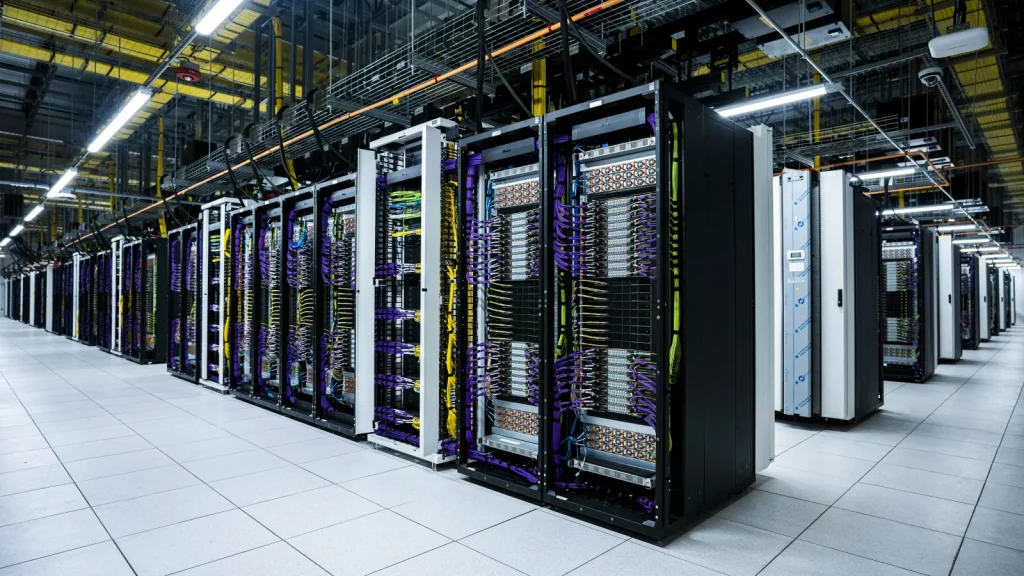
Anthropic’s new partnership with SpaceX centered on access to the space company’s Colossus 1 compute capacity, described in the source article as a 220,000-GPU system. The framing was straightforward: Claude users had been complaining, and more compute is being brought in to address those limits.
Even from the limited source text available, the signal is clear. As usage rises, model providers are still constrained not just by model quality, but by the infrastructure required to serve that quality reliably.
Anthropic and SpaceX entered a partnership giving Anthropic access to SpaceX compute capacity to address user complaints around Claude limits.
Model capabilities keep expanding into speech and coding
OpenAI pushes speech models forward
OpenAI introduced three new speech-focused models, including GPT-Realtime-2, which the company described as its first voice model with “GPT-5-class reasoning.” That points to a continued convergence between multimodal interaction and higher-end reasoning performance.

The announcement matters because speech interfaces often lag behind text systems in sophistication. OpenAI’s positioning suggests it wants voice to be treated as a serious interface for advanced model behavior, not just transcription or simple conversational control.
Codex intensifies the AI coding race
OpenAI also expanded Codex, with one hands-on evaluation characterizing the new features as the strongest Claude Code rival yet. The source describes OpenAI’s push as moving Codex from a narrower tool toward “Codex for (almost) everything.”

That framing reflects the broader direction of AI developer tools: not just code completion, but wider assistance across real software workflows.
Security and reliability are becoming core agent requirements
GitHub targets MCP security
GitHub’s announcement focused on securing AI coding agents running on MCP. The article described security as one of the core stumbling blocks in AI coding, especially as companies connect models and agents to more tools and systems.
In practical terms, this is an important shift in emphasis. The industry is no longer talking only about what agents can do, but about how to control, inspect, and protect those agent interactions safely.
Yugabyte focuses on agent state failure
Yugabyte’s launch of Meko addressed another reliability problem: state management in multi-agent systems. The source article stated that roughly 37% of multi-agent system failures are not reasoning failures, but state failures caused by inconsistent views of what is happening.

That is a useful reminder that better reasoning alone does not solve coordination problems. For multi-agent systems, the data layer and shared state model can be just as critical as the models themselves.
Temporal adds a serverless option for durable execution
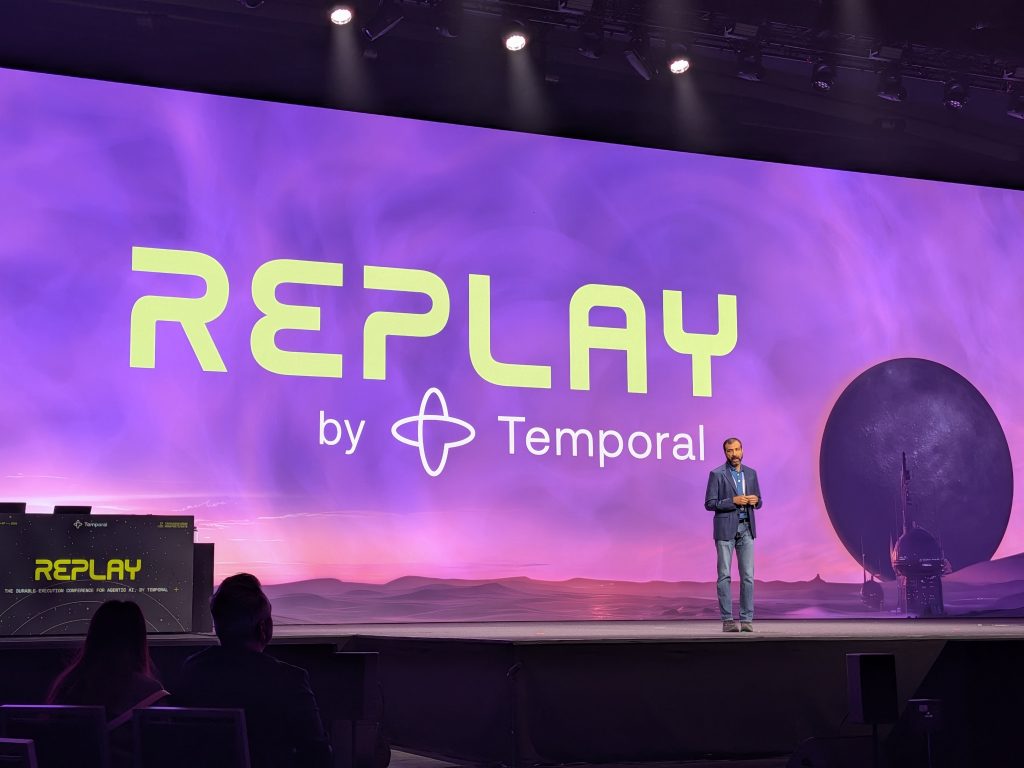
Temporal revealed a serverless option for its Durable Execution platform. While the source excerpt is brief, the announcement fits the same reliability trend: reducing operational burden while preserving execution guarantees and safety-oriented workflow behavior.
Operational complexity is still a major enterprise battleground
Microsoft tackles Kubernetes fleet management
Microsoft’s story focused on governing thousands of Kubernetes clusters without manual intervention. The article opened with an obvious but important premise: Kubernetes is complicated, and that complexity compounds at fleet scale.
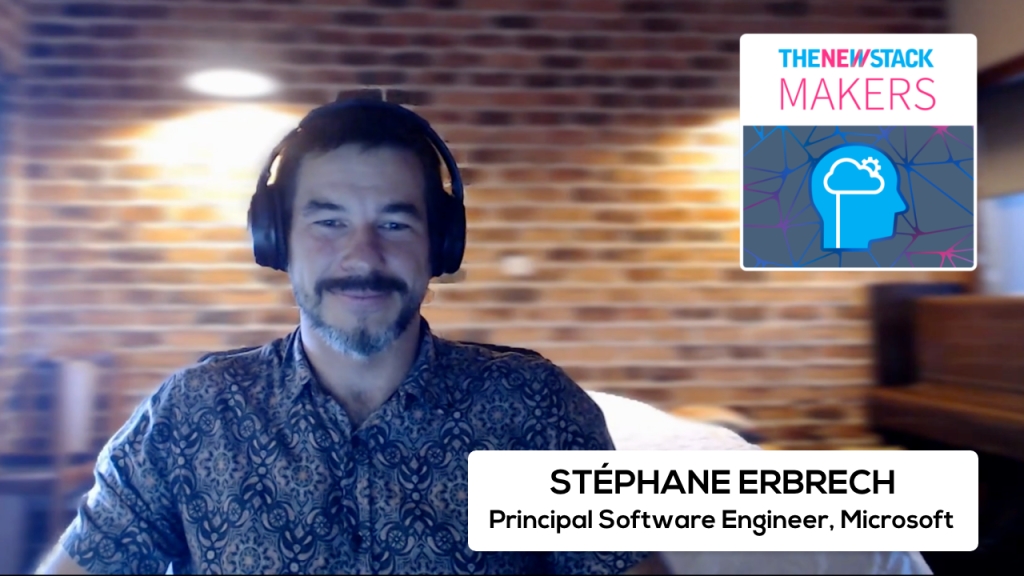
The message is less about Kubernetes itself than about modern platform operations. Enterprises increasingly need systems that can standardize, govern, and remediate sprawling infrastructure environments automatically.
Elastic wants observability to be queried in plain English
Elastic’s architects argued that observability data should not remain locked behind the SRE function. The source says leading companies are making operational data available more broadly, and the article centers on querying observability data in plain English.

This is another accessibility play: making complex operational systems easier for more people to use. In the same way that coding assistants aim to broaden software productivity, plain-English observability aims to broaden access to operational insight.
What ties these announcements together
- Infrastructure pressure remains real: more model usage still demands more compute.
- AI interfaces are diversifying: speech and coding are both becoming more capable and more central.
- Security is moving closer to the agent layer: especially where tool use and MCP are involved.
- Reliability depends on systems design: durable execution and state consistency matter alongside model quality.
- Enterprise usability is broadening: from Kubernetes governance to plain-English observability.
If there is one common thread, it is that the AI market is maturing beyond model benchmarks alone. The more durable story is about turning powerful models into dependable, governable, and accessible systems.
References & Credits
- Anthropic recruited SpaceX’s 220,000-GPU Colossus 1 to fix what Claude users kept complaining about — The New Stack
- OpenAI brings GPT-5-level reasoning to its speech models — The New Stack
- I tested the new OpenAI Codex features on a real Python codebase, and it’s the strongest Claude Code rival yet — The New Stack
- GitHub builds an immune system for AI coding agents running on MCP — The New Stack
- With the launch of Meko, Yugabyte targets the data layer that’s breaking multi-agent AI systems — The New Stack
- Temporal reveals a serverless option for its Durable Execution platform — The New Stack
- How Microsoft is governing thousands of Kubernetes clusters without manual intervention — The New Stack
- Elastic architects reveal how to query observability data in plain English — The New Stack