
Cloud Next '26, Simple Design, and Supply-Chain Verification: Three Practical Signals for Software Teams
From Google’s GKE Agent Sandbox and Hypercluster to advice on keeping systems simple and verifying software instead of trusting it, these reports point to a more pragmatic software playbook.
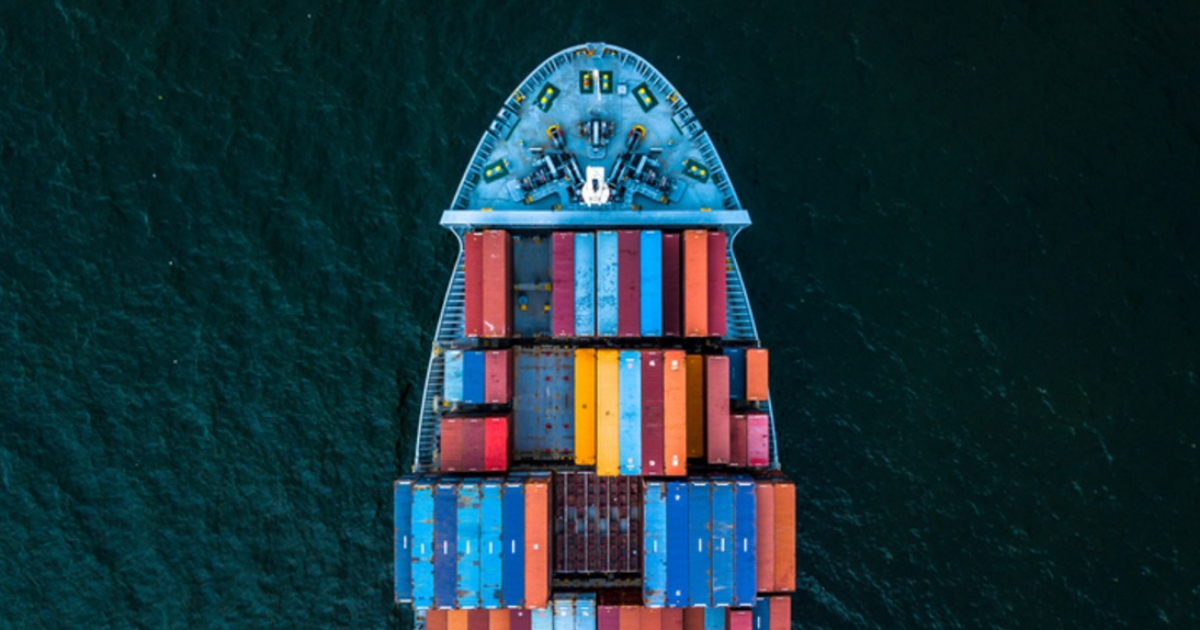
Three recent reports highlight a shared theme in modern software engineering: scale only matters if the foundations stay understandable and trustworthy. At one end, Google is pushing Kubernetes further into AI-agent operations with new infrastructure announcements at Cloud Next '26. At another, Daniel Terhorst-North’s “Best Simple System for Now” argument challenges teams to avoid over-generalizing designs too early. And in the software supply chain, curl creator Daniel Stenberg is arguing that trust alone is no longer enough.
Kubernetes stretches toward AI-agent operations
According to InfoQ’s coverage of Google Cloud Next '26, Google announced GKE Agent Sandbox and hypercluster, positioning Kubernetes more directly for AI-agent workloads.
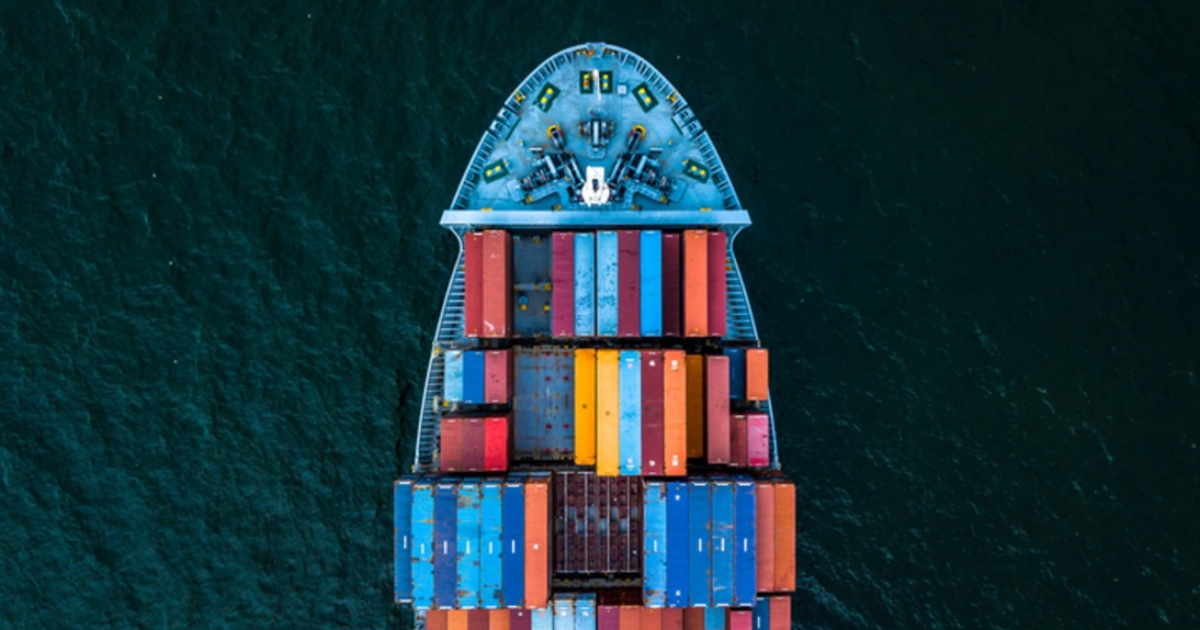
The report says GKE Agent Sandbox uses gVisor kernel isolation for secure agent code execution and can run at 300 sandboxes per second. It is described as an open-source Kubernetes SIG Apps subproject and, per the article, currently the only native agent sandbox among the three major hyperscalers.
InfoQ also reports that hypercluster can manage a million chips from a single control plane. Taken together, the two announcements suggest a Kubernetes story that combines both isolation for dynamic agent execution and extremely large-scale infrastructure management.
The case for the best simple system for now
In a separate InfoQ report, Daniel Terhorst-North argues that teams are often presented with a false choice: either accept technical debt or miss delivery deadlines. His position is that this is a false dichotomy.

Choosing between building up technical debt and missing delivery deadlines is a false dichotomy.
The article emphasizes a familiar engineering failure mode: programmers often generalize too early instead of solving the immediate problem at hand. That instinct can make future changes harder rather than easier. The proposed alternative is not simplistic thinking, but building the skills and instincts for keeping things simple.
This perspective pairs interestingly with Google’s infrastructure announcements. Massive scale and sophisticated execution environments may be necessary in some contexts, but the design principle remains grounded: solve today’s problem cleanly before abstracting for hypothetical futures.
Verification over trust in the software supply chain
A third InfoQ report turns from architecture to security and process. It summarizes a March 2026 blog post from Daniel Stenberg, creator and lead developer of curl, who argues that the software industry’s default posture of trusting well-known components is no longer adequate.
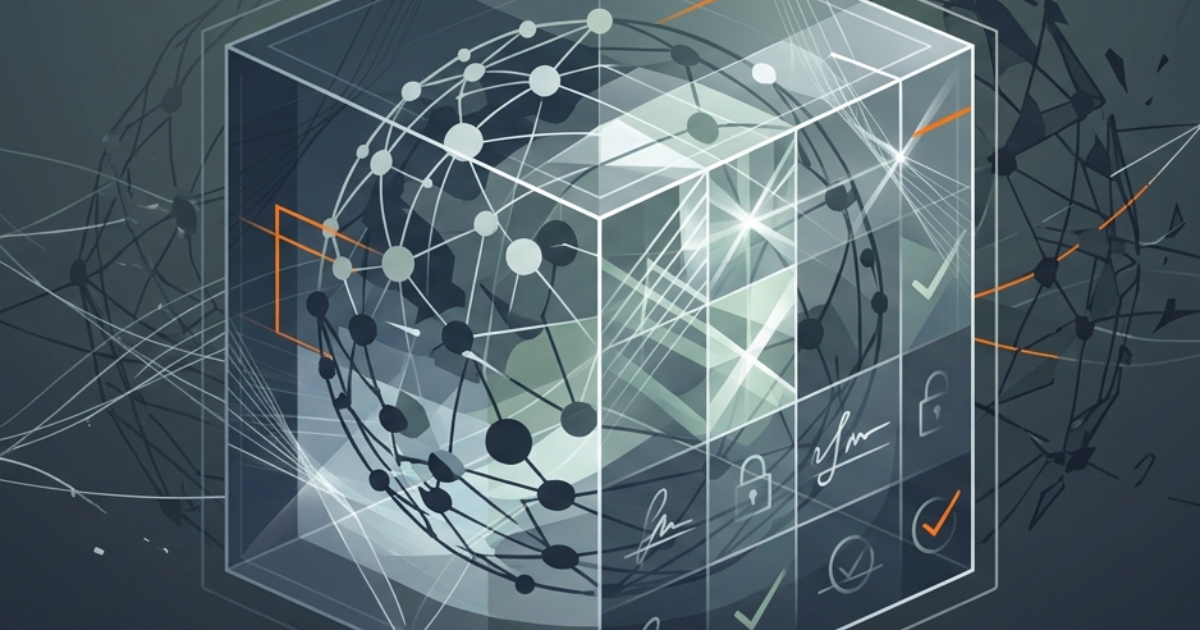
Stenberg’s argument, as described by InfoQ, is that users and organizations should actively verify the software they consume. The article notes that he uses curl’s own practices as a concrete example of how verification can be done in practice.
That message complements the other two reports. If Terhorst-North is urging teams to avoid unnecessary complexity, Stenberg is urging them not to replace clear assurance with reputation-based assumptions. In both cases, the emphasis is on disciplined practice over wishful thinking.
A common thread: practical engineering discipline
These three stories are about different layers of the stack, but they converge on a shared operational mindset:
- Build for real needs: avoid over-generalizing when a simpler design will do.
- Scale deliberately: platforms like Kubernetes are evolving to handle secure agent execution and enormous infrastructure footprints.
- Verify critical dependencies: trust in popular software is not a substitute for validation.
For engineering teams, that combination is a useful lens for 2026: keep systems as simple as possible, use powerful platforms where they genuinely help, and verify the software supply chain instead of assuming it is safe.